

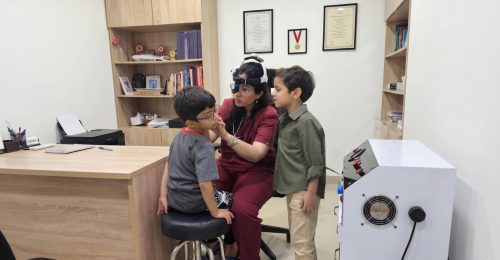
Fluid behind the eardrum. Constant ear infections. A child who keeps pulling at their ears or struggling to hear clearly. These aren’t problems you should simply “wait out.”
When the ear cannot drain properly and infections keep returning, a simple but effective procedure called Myringotomy with Grommet Insertion can make a significant difference.
Let’s understand this in a simple and practical way.
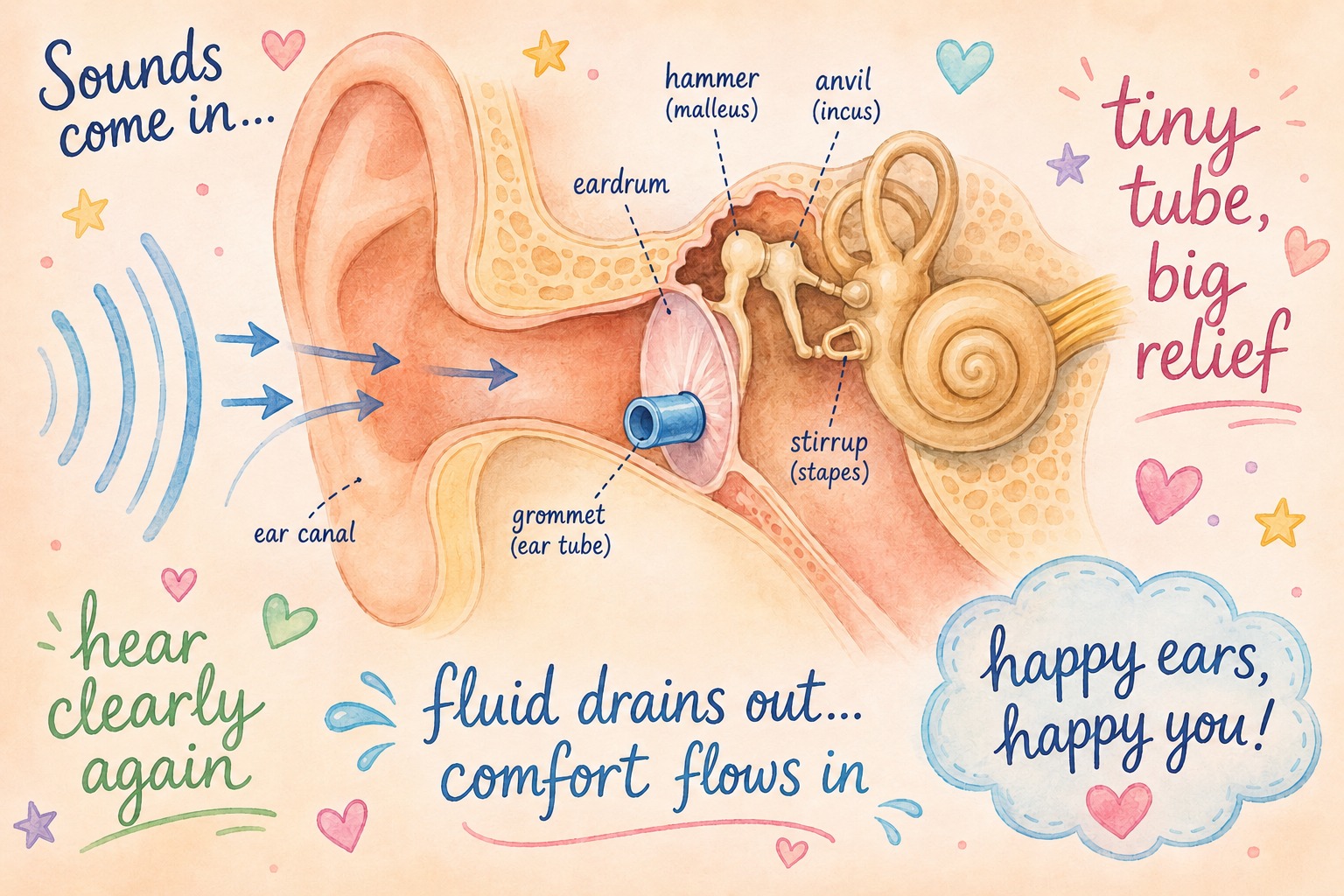
Myringotomy is a minor surgical procedure where a small opening is made in the eardrum to drain fluid trapped behind it.
A Grommet (Ear Tube) is a tiny tube inserted into that opening to keep it open, allowing fluid to drain continuously while maintaining proper airflow inside the middle ear.
Together, these procedures restore normal ear function and significantly reduce recurring ear infections.
Many parents and patients dismiss these symptoms as “just another ear infection,” but repeated episodes often signal an underlying issue.
Not sure if these symptoms apply to you or your child?
The middle ear is connected to the back of the throat through the Eustachian tube. This tube regulates pressure and helps drain fluid from the ear.
When the tube does not function properly, fluid becomes trapped behind the eardrum, creating the perfect environment for infections and hearing problems.
When fluid remains trapped for too long or infections continue recurring, hearing and ear health can both be affected.
Doctors usually begin with medications and monitoring. But surgery becomes the right option when symptoms continue or affect hearing and quality of life.
Myringotomy with Grommet Insertion is considered one of the safest ENT procedures, especially in children. However, like any procedure, certain risks may exist.
No. It is performed under anesthesia, and recovery is generally comfortable.
Most patients notice improvement within days after the fluid drains and airflow is restored.
Usually between 6–18 months before naturally falling out.
Swimming advice may vary depending on the patient. Your ENT specialist will guide you accordingly.
Your ENT specialist will assess whether reinsertion is necessary based on symptoms and fluid buildup.
No. Adults with chronic Eustachian tube dysfunction or recurring fluid buildup may also benefit.
Recurring ear infections and fluid buildup should not be ignored. Early treatment can improve hearing, comfort, and long-term ear health.
Breathing through your nose should feel effortless. But if you’re constantly dealing with blockage, sinus pressure, or difficulty sleeping because of poor airflow, it might not just be a temporary issue.
Conditions like a deviated septum or chronic sinus blockage can affect your daily comfort more than you realize. Procedures like Septoplasty and FESS (Functional Endoscopic Sinus Surgery) are designed to correct these problems and help you breathe better.
Let’s understand this in a simple and practical way.
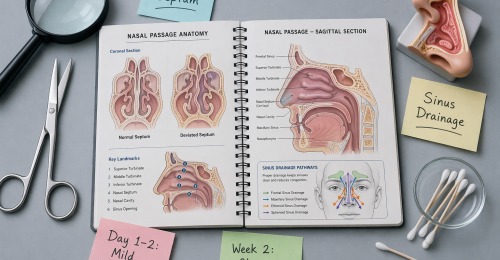
Septoplasty is a procedure that corrects a deviated nasal septum — the thin wall inside your nose that separates both sides. When this wall is not straight, it can block airflow and make breathing difficult.
FESS (Functional Endoscopic Sinus Surgery) is used to open blocked sinuses and restore proper drainage using a small camera (endoscope).
In many patients, both problems exist together. That’s why these procedures are often done together for better, long-term results.
Many people get used to these symptoms and think they’re normal — but they’re not.
Not sure if these symptoms apply to you?
The septum may be off-center from birth or due to injury. When it shifts significantly, it can block airflow and make one nostril feel constantly congested.
Your sinuses need to drain properly. But due to:
…the drainage pathways get blocked, leading to pressure, discomfort, and repeated infections.
When both conditions exist together, symptoms tend to become more persistent.
Not every case needs surgery. Doctors usually start with medications. But if symptoms continue, surgery may be the next step.
Septoplasty and FESS are generally safe, but like any surgery, some risks exist:
No, it is done under anesthesia. Post-surgery discomfort is mild and manageable.
Improvement starts within 2–3 weeks as swelling reduces.
No, septoplasty focuses on breathing, not appearance.
Yes, though sinus care may still be needed.
Get expert evaluation and treatment guidance from an ENT specialist.
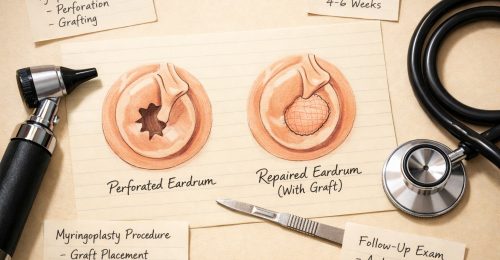
A perforated eardrum a hole or tear in the thin membrane separating your outer and middle ear is more common than many people realise. The good news: most perforations heal on their own, and when they don’t, effective treatments are available.
Consult Dr AashimaLearn More About Treatments
Disclaimer: This article is for general informational purposes only and does not constitute medical advice. Recovery timelines mentioned are typical estimates individual results vary. Always seek guidance from a qualified healthcare professional.
Symptoms depend on the cause, size, and location of the perforation. Some people notice a dramatic onset (such as after a loud blast or ear infection), while others discover the condition gradually.
Not sure if your symptoms match a perforation? A specialist can confirm with a simple ear exam.
The majority of small perforations particularly those caused by infection or minor trauma heal spontaneously within 4 to 8 weeks without any intervention. However, surgery becomes the appropriate path when:
Your ENT surgeon will assess perforation size (often using an otoscope or microscope), hearing test results (audiogram), and overall middle ear health before recommending surgery.
Endoscopic ear surgery has grown significantly in adoption over the past decade. By working entirely through the natural ear canal opening, it avoids the traditional post- auricular (behind-the-ear) incision, which means no visible scar and typically less postoperative discomfort.
However, there are limitations to be aware of:
Important: The “best” technique depends on your individual anatomy, perforation characteristics, and surgeon expertise not one approach suits all patients. Discuss options thoroughly with your ENT.
Wondering if endoscopic surgery is right for you?
Recovery varies depending on whether the perforation healed naturally or required surgery. The timelines below are typical estimates individual experiences differ.
An ENT specialist can confirm your diagnosis, discuss your treatment options, and guide you through the recovery process.
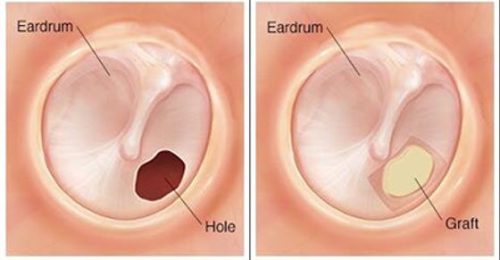
If you’ve been struggling with hearing loss, ear infections, or a perforated eardrum, Endoscopic Minimally Invasive Tympanoplasty may be the advanced solution you’re looking for. As an experienced ENT surgeon practicing in Delhi for over 10 years, I specialize in this cutting-edge, patient-friendly technique that offers excellent results with minimal discomfort and quicker recovery.
Endoscopic tympanoplasty is a modern surgical procedure used to repair a perforated eardrum (tympanic membrane) using a high-resolution endoscope. Unlike traditional microscopic surgery, this approach does not require large incisions or postauricular cuts. Instead, the entire procedure is done through the ear canal, making it truly minimally invasive.
No external incisions – No visible scars, as the surgery is done entirely through the ear canal.
Faster recovery – Patients usually experience quicker healing and less post-operative pain.
Improved visualization – The endoscope provides a wide-angle, high-definition view of the middle ear for more precise surgery.
High success rate – Proven outcomes in restoring hearing and closing eardrum perforations.
Ideal for children and adults – Especially effective in younger patients where minimal trauma is preferred.
This surgery is recommended for patients with:
Chronic ear discharge (chronic suppurative otitis media)
Hearing loss due to eardrum perforation
History of ear infections not responding to medical treatment
Eardrum injuries caused by trauma or pressure changes
Endoscopic tympanoplasty is revolutionizing how ENT surgeons treat middle ear conditions. By avoiding large cuts and improving surgical access, it offers a safer, faster, and more comfortable experience for patients. As someone trained and experienced in this advanced technique, I ensure personalized care tailored to each patient’s condition.
If you’re seeking a trusted ENT surgeon in Delhi for endoscopic tympanoplasty, my clinic ENT care clinic offers state-of-the-art care with a focus on patient comfort and optimal outcomes. Book a consultation today to learn how this minimally invasive ear surgery can help restore your hearing and improve your quality of life.
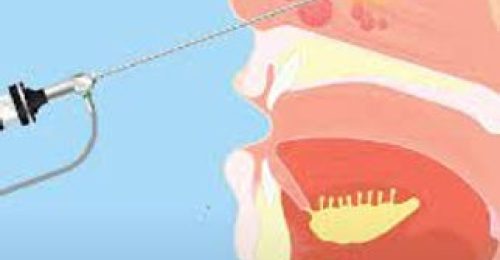
Are you suffering from chronic sinusitis, nasal congestion, or frequent sinus infections that just won’t go away? If medications and home remedies haven’t worked, Endoscopic Sinus Surgery might be the solution you need. As an experienced ENT surgeon practicing in Delhi for over 10 years, I offer minimally invasive endoscopic sinus surgery that delivers long-term relief with minimal downtime.
Endoscopic Sinus Surgery, also known as Functional Endoscopic Sinus Surgery (FESS), is a minimally invasive procedure used to treat chronic sinus infections and blocked sinuses. It involves using a thin, high-definition endoscope inserted through the nose to access and open the sinus passages, remove obstructions like polyps or inflamed tissue, and restore normal drainage.
Unlike traditional sinus surgery, there are no external cuts, which means faster recovery, less pain, and no visible scars.
Chronic sinusitis
Nasal polyps
Recurrent sinus infections
Deviated nasal septum (when combined with septoplasty)
Sinus headaches and facial pressure
Fungal sinus infections
Minimally invasive – No external incisions, less trauma to surrounding tissue
Faster recovery – Most patients resume normal activities within a few days
Improved breathing and drainage – Relief from nasal congestion and pressure
Fewer infections – Reduced dependence on antibiotics and nasal sprays
Better quality of life – Improved sleep, energy levels, and daily comfort
With pollution, changing weather, and rising allergens, sinus problems are increasingly common in Delhi. As a skilled ENT surgeon with a decade of experience, I use the latest endoscopic techniques and tools to ensure safe, precise, and effective treatment. Whether you’ve been struggling with sinus issues for months or years, we offer personalized care and long-term solutions.
If you’re looking for endoscopic sinus surgery in Delhi, my clinic provides advanced care in a comfortable and professional environment. Don’t let sinus pain affect your daily life—book your consultation today to explore your treatment options and breathe easier again.

Do you often struggle with nasal congestion, difficulty breathing through your nose, or frequent sinus infections? A deviated nasal septum might be the root cause. At my ENT clinic in Delhi, I specialize in Septoplasty, a safe and effective surgical procedure to correct a deviated septum and restore natural breathing.
Septoplasty is a surgical procedure performed to straighten the nasal septum—the thin wall of cartilage and bone that divides the two nasal passages. When the septum is crooked or off-center, it can block airflow, leading to nasal obstruction, snoring, sinus infections, and even headaches.
Septoplasty corrects this deviation, allowing for improved airflow, reduced sinus pressure, and overall better nasal function.
Chronic nasal blockage or stuffiness (especially on one side)
Difficulty breathing through the nose
Frequent sinus infections
Nosebleeds
Snoring or noisy breathing during sleep
Headaches and facial pressure
Improved nasal breathing – Enjoy easier, natural breathing through both nostrils
Better sleep quality – Reduced snoring and improved oxygen flow at night
Fewer sinus infections – Enhanced drainage reduces risk of infection
Quick recovery – Typically done as a day-care procedure with minimal downtime
Boosted quality of life – Relief from daily discomfort and better physical performance
With over 10 years of experience as an ENT surgeon in Delhi, I have performed numerous successful septoplasty procedures with a focus on patient comfort, safety, and long-term results. Every case is evaluated with advanced diagnostic tools, and treatment is tailored to each patient’s unique anatomy and symptoms.
Whether performed alone or alongside other procedures like turbinate reduction or FESS, septoplasty can offer lasting relief and significantly enhance your daily breathing and wellbeing.
If you’re tired of nasal congestion and poor airflow affecting your quality of life, Septoplasty may be the solution. Book an appointment today at our Delhi clinic to get expert evaluation and treatment options that are right for you.

Chronic ear infections, persistent discharge, and hearing loss can significantly affect your quality of life. If medications and routine treatments have failed, advanced surgical options like Endoscopic Cortical Mastoidectomy and Ossiculoplasty may offer long-term relief and hearing restoration. At my ENT clinic in Delhi, I specialize in minimally invasive endoscopic ear surgery, ensuring faster recovery, better precision, and lasting results.
Endoscopic Cortical Mastoidectomy is a minimally invasive surgical procedure performed to remove infection, inflammation, or cholesteatoma from the mastoid bone, which is located behind the ear. Unlike traditional surgery, the endoscopic approach uses a high-definition camera and small instruments through the ear canal or a tiny incision, reducing tissue trauma and avoiding visible scars.
Precise removal of infected mastoid air cells
Minimal scarring and quicker healing
Reduced postoperative discomfort
Ideal for treating chronic suppurative otitis media and cholesteatoma
Ossiculoplasty is the reconstruction or replacement of the ossicles—the tiny bones in the middle ear (malleus, incus, and stapes) responsible for sound transmission. Chronic infections or cholesteatoma can damage these bones, leading to conductive hearing loss. Through a minimally invasive endoscopic approach, damaged ossicles are repaired or replaced with prosthetic implants to restore hearing function.
Restoration of natural hearing
Precise placement of prosthesis with enhanced visualization
Minimally invasive with reduced surgical trauma
Can be done in combination with mastoidectomy for complete ear rehabilitation
Patients with long-standing ear infections often need both cortical mastoidectomy to clear the disease and ossiculoplasty to restore hearing. Combining these procedures endoscopically allows for a single, comprehensive treatment, ensuring the ear is both dry and functional.
With over 10 years of experience as an ENT surgeon in Delhi, I specialize in minimally invasive endoscopic techniques for complex ear conditions. This advanced approach offers:
Enhanced visualization
Precision in delicate middle ear work
Less pain and faster recovery
Better cosmetic outcomes
At my clinic, every patient receives personalized care, complete pre-surgical evaluation, and post-operative support to ensure the best outcomes.
If you’re struggling with chronic ear infections, hearing loss, or have been advised surgery, consult with an experienced ENT specialist for endoscopic cortical mastoidectomy and ossiculoplasty in Delhi. Let us help you restore your hearing and ear health with the latest surgical techniques and compassionate care.
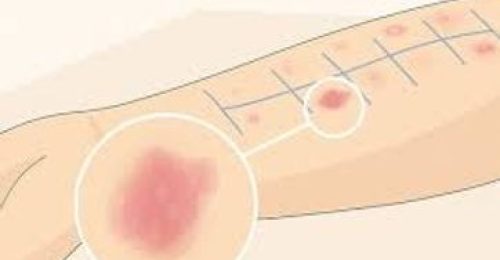
Are you constantly sneezing, dealing with an itchy nose, watery eyes, or skin rashes with no clear cause? You might be suffering from allergies, and identifying the trigger is the first step to finding real relief. At my ENT and allergy clinic in Delhi, we offer Skin Prick Testing (SPT) – a fast, accurate, and minimally invasive method to diagnose a wide range of allergies.
Skin Prick Testing is a simple and effective diagnostic tool used to identify specific allergens that may be causing your symptoms. It helps pinpoint whether you’re allergic to dust mites, pollen, pet dander, mold, foods, or other environmental triggers.
During the test, small amounts of suspected allergens are applied to your skin—usually on the forearm or upper back. A tiny prick or scratch introduces the allergen just below the surface. If you’re allergic, a small, raised bump (similar to a mosquito bite) will appear within 15–20 minutes.
Accurate and immediate results Covers multiple allergens in one session Minimally invasive with no blood draw Safe for adults and children Helps guide personalized treatment plans including allergy avoidance, medication, or immunotherapy (allergy shots).
Skin prick testing is highly recommended if you experience:
Frequent sneezing, nasal congestion, or runny nose (allergic rhinitis)
Chronic cough or asthma symptoms
Itchy or watery eyes
Eczema or unexplained skin rashes
Food-related reactions
Recurrent sinus infections or nasal allergies
Identifying the allergens you react to is essential in managing and preventing flare-ups effectively.
Before coming in for a skin allergy test, you may need to stop taking certain medications (like antihistamines) that can interfere with the results. We’ll provide a full list and guide you through the preparation process.
With over a decade of experience in treating ENT and allergy-related conditions, I provide comprehensive care using evidence-based methods. At our Delhi clinic, we offer:
Accurate skin prick testing using certified allergen extracts
Comfortable environment for adults and children
Personalized treatment plans tailored to your allergy profile
Follow-up care and education for long-term allergy control
Don’t let unidentified allergies affect your comfort and quality of life. Skin prick testing is a fast and reliable way to get the answers you need and start breathing easier. Schedule your allergy evaluation today at our ENT and allergy clinic in Delhi, and take the first step toward a symptom-free life.

Do you snore loudly, wake up feeling tired, or struggle to stay alert during the day? These could be more than just signs of poor sleep—they might be symptoms of Sleep Apnea, a serious and often overlooked sleep disorder. At my ENT clinic in Delhi, we’re committed to raising awareness about sleep apnea, helping patients identify the warning signs, and providing effective treatment options to restore restful sleep and better health.
Sleep apnea is a condition where a person’s breathing repeatedly stops and starts during sleep. The most common type, Obstructive Sleep Apnea (OSA), occurs when the airway becomes partially or completely blocked, usually due to relaxed throat muscles or enlarged tonsils or adenoids.
These breathing pauses can occur dozens to hundreds of times per night, reducing oxygen levels in the blood and disrupting the sleep cycle.
Sleep apnea often goes undiagnosed because it happens during sleep. Here are some warning signs to watch for:
Loud, persistent snoring
Gasping or choking during sleep
Excessive daytime sleepiness or fatigue
Morning headaches
Dry mouth or sore throat upon waking
Difficulty concentrating or memory issues
Irritability or mood changes
Restless or poor-quality sleep
Left untreated, sleep apnea can lead to serious health complications, including:
High blood pressure and heart disease
Stroke
Type 2 diabetes
Depression and anxiety
Poor concentration and increased risk of accidents
Decreased quality of life
That’s why early diagnosis and treatment are essential—not only for better sleep, but also for your long-term health and well-being.
Several factors can increase your risk of developing sleep apnea, including:
Obesity or overweight
Large tonsils or adenoids
Nasal obstruction or deviated septum
Family history of sleep apnea
Smoking and alcohol use
Age and gender (more common in males)
At our ENT clinic in Delhi, we offer comprehensive evaluation and treatment for sleep apnea. Diagnosis typically involves a sleep study (polysomnography) or home sleep testing. Based on your results, we create a personalized treatment plan that may include:
Lifestyle changes (weight loss, sleep position, avoiding alcohol) CPAP therapy (a machine that keeps your airway open during sleep) Oral appliances for mild cases Surgical options like tonsillectomy, adenoidectomy, or nasal surgery to improve airflow
Children can also suffer from sleep apnea, often due to enlarged tonsils or adenoids. If your child snores, breathes through their mouth at night, or is experiencing behavior issues or poor school performance, an ENT evaluation is highly recommended.
If you or a loved one shows signs of sleep apnea, don’t ignore it. Better sleep means better health, and effective treatments are available. At our ENT clinic in Delhi, we are here to help you breathe easier, sleep deeper, and live better.
Schedule your consultation today and take the first step toward a healthier night’s sleep.
Skin Prick Testing for Allergies in Delhi – Quick, Accurate Diagnosis for Long-Lasting Relief.
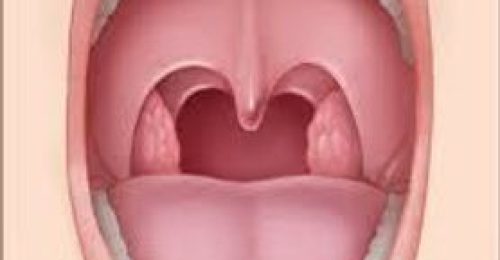
Are you or your child dealing with frequent sore throats, tonsil infections, or trouble sleeping due to snoring or breathing issues? These could be signs that your tonsils are more of a problem than a help. At my ENT clinic in Delhi, I offer safe and effective tonsillectomy surgery to provide lasting relief from chronic tonsil problems and improve overall health.
Tonsillectomy is a surgical procedure to remove the tonsils—two small glands located at the back of the throat. While tonsils help fight infections in early childhood, they can become enlarged or chronically infected in some individuals, causing more harm than good.
Tonsillectomy is most commonly recommended when patients suffer from:
Repeated episodes of tonsillitis
Obstructive sleep apnea due to enlarged tonsils
Difficulty swallowing
Chronic sore throats or bad breath
Persistent snoring or mouth breathing
Fewer throat infections – Reduced need for antibiotics and fewer missed school/work days Improved breathing during sleep – Relief from snoring and sleep apnea symptoms Less throat pain long-term – No more recurring tonsil inflammation or discomfort Better quality of life – Improved sleep, energy, and overall wellbeing Quick recovery – Most patients resume normal activities within 1–2 weeks.
Tonsillectomy is beneficial for both children and adults who experience:
5 or more episodes of tonsillitis in a year
Enlarged tonsils causing breathing or swallowing problems
Peritonsillar abscess (a collection of pus behind the tonsils)
Chronic bad breath due to tonsil stones or infection
With over 10 years of surgical experience, I perform tonsillectomy using modern, minimally invasive techniques to ensure minimal pain, quick recovery, and the best results. Whether your case is medical or surgical, you will receive a personalized treatment plan based on your symptoms and overall health.
We ensure:
Thorough evaluation before surgery
Pediatric and adult-friendly surgical care
Safe anesthesia and hospital environment
Clear post-op care instructions and support
Is tonsillectomy painful?Some throat discomfort is common for a few days, but pain is managed with medications and soft diet guidelines.
How long does the surgery take?The procedure typically takes 30–45 minutes and is usually done as a day-care surgery.
What is the recovery time?Most patients recover in about 7–10 days with proper care.
If you’re tired of recurring tonsil infections or sleep issues due to enlarged tonsils, Tonsillectomy could be the solution. Visit our ENT clinic in Delhi for a thorough evaluation and advanced treatment options that are safe, effective, and tailored to your needs.
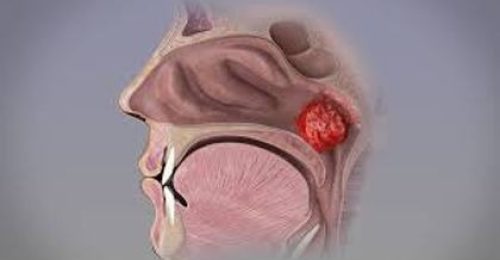
Is your child struggling with constant nasal blockage, snoring, mouth breathing, or recurrent ear infections? Enlarged or infected adenoids could be the reason. At my ENT clinic in Delhi, I offer safe and effective adenoidectomy surgery, a proven solution to help children (and sometimes adults) breathe better, sleep soundly, and stay healthier.
Adenoidectomy is a surgical procedure to remove the adenoids—a mass of lymphoid tissue located at the back of the nasal passage. While adenoids play a role in fighting infections in early childhood, they can become chronically enlarged or infected, leading to a range of issues, especially in young children.
This simple procedure is often performed when enlarged adenoids interfere with breathing, sleeping, or ear health, and when medical treatments fail to provide long-term relief.
If your child experiences the following, adenoidectomy may be beneficial:
Chronic nasal congestion or blockage
Mouth breathing, especially during sleep
Loud snoring or disturbed sleep (possible sleep apnea)
Recurrent ear infections or fluid in the ears
Persistent runny nose or post-nasal drip
Difficulty hearing or speech delays (due to ear problems)
Improved breathing through the nose Better sleep quality and reduced snoring Fewer ear infections and reduced need for antibiotics Improved speech and hearing in children Better overall quality of life and energy levels.
With over 10 years of experience in ENT care, I provide specialized pediatric and adult adenoid surgery using advanced, minimally invasive techniques. The procedure is typically done under general anesthesia, lasts only 30–45 minutes, and most children go home the same day.
At my clinic, we prioritize:
Accurate diagnosis through nasal endoscopy or imaging
A gentle, child-friendly environment
Post-operative care for fast and smooth recovery
Personalized follow-up to ensure long-term success
Is adenoidectomy painful?Mild discomfort or sore throat is common for a few days, but children recover quickly with proper care.
How long is the recovery time?Most children return to normal activities within a week.
Is it safe?Yes, adenoidectomy is a routine and safe procedure when performed by an experienced ENT surgeon.
If your child is experiencing persistent nasal or ear issues, don’t wait. Visit our ENT clinic in Delhi to discuss whether adenoidectomy is the right solution. We’re here to help your child breathe easier, sleep better, and grow healthier.
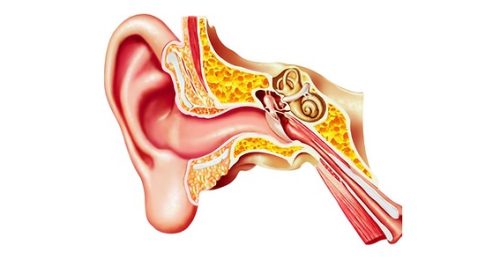
Are you experiencing itching, pain, or discomfort in your ear, particularly after swimming or exposure to moisture? These could be signs of Otomycosis, commonly known as Swimmer’s Ear. This fungal infection of the outer ear canal is a common condition, especially in humid climates or among swimmers. At my ENT clinic in Delhi, we offer effective treatment for Otomycosis, helping you get back to enjoying life without ear pain or discomfort.
Otomycosis is a fungal infection that affects the outer ear canal, often caused by prolonged exposure to moisture, which creates the ideal environment for fungi to thrive. While it’s commonly referred to as Swimmer’s Ear, it can also occur from other activities, such as bathing, showering, or excessive ear cleaning.
Fungal organisms like Aspergillus or Candida are the main culprits behind this condition. The infection leads to inflammation and irritation of the ear canal, resulting in a variety of symptoms.
The symptoms of Otomycosis can vary but typically include:
Itching or discomfort inside the ear
Redness or inflammation of the ear canal
Ear pain or a sensation of fullness in the ear
Drainage from the ear (may be thick and yellowish or clear)
Reduced hearing or muffled sounds due to the buildup of debris
Swelling of the ear canal or surrounding area
If left untreated, the infection can cause prolonged discomfort and may even lead to complications, especially if the fungus spreads to other parts of the ear or surrounding tissues.
Certain factors can increase the likelihood of developing Otomycosis:
Excess moisture: Swimmers or those who frequently immerse their heads in water are more prone to developing the condition.
Trauma to the ear canal: Using cotton swabs or other objects to clean the ear can scratch or irritate the ear canal, making it easier for fungi to invade.
Existing ear conditions: People with eczema, dermatitis, or other skin conditions around the ear are more susceptible.
Warm, humid environments: Living in or visiting areas with high humidity can encourage fungal growth.
Weak immune system: People with compromised immune systems are at higher risk of fungal infections.
If you suspect you have Swimmer’s Ear or Otomycosis, it’s important to seek medical attention promptly. An ENT specialist will:
Perform a visual examination of your ear using an otoscope to look for signs of infection and fungus.
Take a sample of the discharge from the ear canal for laboratory testing to confirm the type of fungus causing the infection.
The treatment for Otomycosis depends on the severity and type of fungal infection. Common treatment options include:
Antifungal ear drops – These are used to treat the infection and reduce inflammation and itching in the ear canal. Ear cleaning – A healthcare provider may clean out the ear canal to remove debris, discharge, or fungal growth and promote healing. Oral antifungal medication – In severe cases, oral medication may be prescribed to treat the infection more comprehensively. Pain relief – Over-the-counter pain medications or ear drops may be used to reduce discomfort during the healing process.
While Otomycosis is treatable, preventing it is even better. Here are some tips to protect your ears and reduce the risk of infection:
Dry your ears thoroughly after swimming or bathing. You can gently dry your ear with a towel or use ear-drying drops.
Avoid inserting objects like cotton swabs or fingers into your ears to prevent injury and irritation.
Use earplugs or a swimming cap to keep water out of your ears while swimming.
Keep your ears clean and dry, and avoid excess moisture or dampness in the ear canal.
If you experience any of the symptoms of Otomycosis, especially persistent ear pain, drainage, or itching that doesn’t improve, it’s important to see an ENT specialist for a diagnosis and appropriate treatment.
At my clinic in Delhi, we offer comprehensive care for Otomycosis, providing effective treatment and prevention strategies to help you avoid future ear infections.
How to Prevent Swimming Ear Infections in Children – Tips for Healthy Ears
As summer approaches, many children love to dive into the pool, spend time at the beach, or splash around in the water. However, these fun activities can sometimes lead to swimmer’s ear, also known as otitis externa, an ear infection that occurs when water gets trapped in the ear canal. If you’re a parent in Delhi concerned about your child’s ear health, this blog post provides expert tips on how to prevent swimming ear infections and ensure your child’s ears stay safe and healthy.
Swimmer’s ear is a common condition caused by moisture or bacteria in the ear canal. When water becomes trapped inside the ear, it creates an ideal environment for bacteria or fungi to grow, leading to an infection. Children are more prone to this type of ear infection because their ear canals are narrower, and they tend to spend more time in the water.
Symptoms of swimmer’s ear in children include:
Itching inside the ear
Ear pain or tenderness
Redness inside the ear canal
Fluid drainage from the ear
Difficulty hearing or a sense of fullness in the ear
If you notice any of these signs, it’s important to seek treatment promptly from an ENT specialist to avoid further complications.

Nosebleeds can be alarming, especially when they seem to come out of nowhere or won’t stop quickly. While most are minor and can be managed at home, some cases require emergency care. Understanding when and how to respond can make a big difference in managing the situation safely and effectively.
Nosebleeds (epistaxis) occur when the tiny blood vessels inside the nose break. Common causes include:
Dry or cold air
Nose picking or blowing too hard
Injury to the nose
Allergies or infections
Blood-thinning medications
Underlying medical conditions like high blood pressure or clotting disorders
Most nosebleeds can be treated at home with a few simple steps:
Stay Calm: Panic can raise your blood pressure and worsen bleeding.
Sit Upright: Keep your head above your heart to reduce blood pressure in nasal vessels.
Lean Forward: This prevents blood from flowing down your throat, which can cause nausea or vomiting.
Pinch Your Nose: Using your thumb and index finger, pinch the soft part of your nose shut. Hold it for 10–15 minutes without checking to see if it stopped.
Apply a Cold Compress: Place an ice pack on the bridge of your nose to constrict blood vessels.
You should seek medical attention immediately if:
The bleeding lasts longer than 20 minutes despite pressure.
The nosebleed follows a serious injury (e.g., after a fall or blow to the head).
You’re experiencing frequent or recurrent nosebleeds.
The bleeding is very heavy or you’re coughing up or vomiting blood.
You have a condition or are on medication that affects blood clotting.
In an emergency setting, healthcare providers may:
Use nasal packing or cauterization (burning the bleeding vessel) to stop the bleed.
Administer medications to constrict blood vessels.
Investigate and treat underlying conditions that may be causing the issue.
To reduce your risk of nosebleeds:
Use a humidifier in dry environments.
Keep nasal passages moist with saline sprays or gels.
Avoid picking your nose or blowing it forcefully.
Treat allergies and sinus problems promptly.
You should visit a doctor for a nosebleed if:
Bleeding lasts longer than 20 minutes, even after applying pressure.
Nosebleeds occur frequently (e.g., several times a week or more).
The bleeding is very heavy or you are losing a large amount of blood.
The nosebleed happens after a head injury or trauma to the face.
You are taking blood-thinning medications (like aspirin, warfarin, or clopidogrel).
You have a known bleeding disorder (e.g., hemophilia or low platelets).
You experience dizziness, weakness, or fainting during or after the nosebleed.
You have underlying medical conditions like high blood pressure or liver disease.
Blood is flowing down your throat, causing coughing or vomiting of blood.
You are unable to stop the bleeding at home or feel unsure about what to do.
If you’re ever uncertain, it’s always okay to reach out to your doctor or go to urgent care for peace of mind and proper treatment.

We’ve all experienced the discomfort of a sore throat—that dry, scratchy, painful sensation that makes swallowing a chore. Whether it’s caused by a cold, allergies, dry air, or a viral infection like the flu, a sore throat can disrupt your day and leave you searching for relief. Fortunately, many sore throats can be treated at home, but it’s also important to recognize when it’s time to see a doctor.
Before diving into remedies, let’s take a look at what could be behind that irritating tickle in your throat:
Viral infections (like the common cold or flu)
Bacterial infections (like strep throat)
Allergies
Dry air
Irritants like smoke or pollution
Acid reflux
If your sore throat is mild and not accompanied by more serious symptoms, try these tried-and-true remedies:
Mix 1/2 teaspoon of salt into a glass of warm water and gargle several times a day. It helps reduce swelling and kills bacteria.
Drink plenty of fluids to keep your throat moist and flush out irritants. Warm teas with honey, clear broths, and plain water work best.
Honey is a natural antibacterial and soothes throat inflammation. Try it in warm tea or warm water with lemon.
Chamomile, ginger, and licorice root teas have anti-inflammatory and soothing properties.
Use a humidifier, especially in winter, to keep the air moist and prevent your throat from drying out.
These stimulate saliva production, which keeps your throat moist and reduces pain.
Talking too much or loudly can strain your vocal cords. Give your throat time to heal by speaking less and more softly.
While many sore throats are harmless and go away on their own, you should seek medical attention if:
Symptoms last longer than a week
You have a high fever (over 101°F / 38.3°C)
Your throat is very red, or you see white patches or pus
You experience difficulty breathing or swallowing
You have swollen lymph nodes in your neck
You get sore throats frequently or repeatedly
There’s blood in your saliva or phlegm
You suspect it might be strep throat or another bacterial infection
A quick visit to your doctor or urgent care can confirm the cause—especially if antibiotics or further treatment are needed.
A sore throat is usually nothing to worry about, but it can still be a real nuisance. Home remedies like salt water gargles, honey, and staying hydrated can go a long way in soothing your symptoms. However, if the pain lingers or you develop other concerning symptoms, don’t hesitate to check in with your doctor.
Take care of your throat—after all, it does a lot of talking for you!

In our busy, often noisy world, protecting your hearing has never been more important. Whether you’re stuck in traffic, working with power tools, or simply enjoying your favorite playlist, your ears are constantly exposed to sound—and sometimes, too much of it.
As ENT specialists, we see many cases of hearing loss that could have been prevented. Let’s talk about how you can protect your ears and prevent noise-induced hearing loss (NIHL) before it becomes a problem.
Noise-induced hearing loss happens when loud sounds damage the tiny hair cells in your inner ear. These cells don’t grow back—so once they’re gone, they’re gone for good.
The risk isn’t just from sudden loud noises. Continuous exposure to moderately loud sounds (like lawn mowers or traffic) can cause damage over time.
Sounds above 85 decibels (dB)—about as loud as city traffic—can be harmful with long-term exposure.
You might be surprised where harmful noise levels come from:
Headphones at high volume
Live music concerts or nightclubs
Construction or factory work
Motorcycles or loud vehicles
Power tools and lawn equipment
1. Wear Ear ProtectionIf you’re in a noisy environment—at work, a concert, or using loud equipment—wear earplugs or noise-cancelling earmuffs. Custom earplugs are a great option for musicians and frequent concertgoers.
2. Turn It DownKeep your music, videos, or calls at no more than 60% volume—especially with earbuds. If someone else can hear your music, it’s too loud!
3. Take Listening BreaksGive your ears time to recover. If you’re in a noisy place, step away for a few minutes in a quiet area when you can.
4. Limit Time in Noisy SettingsTry to reduce how long you’re exposed to loud environments. Even short periods of extreme noise can cause permanent damage.
5. Make Your Space QuieterUse soft furnishings at home or work to absorb sound. Keep machines and equipment well-maintained to reduce excess noise.
6. Get Your Hearing CheckedRegular hearing tests help catch early signs of damage. If you notice ringing in your ears or trouble hearing conversations, don’t wait—schedule an appointment.
One in five teens already show signs of hearing loss, often from listening to loud music with earbuds. Prevention starts early!
At ENT Care Clinic, we care about protecting your hearing as much as restoring it. If you’re concerned about your hearing or just want advice on hearing protection, schedule a visit with our ENT team. Early action makes all the difference!
Call us at 9999202000
Visit us at W-145, basement, Greater Kailash part 1, Delhi
Book online at dr.aashimachopraent.com

Delhi’s AQI is at severe levels this winter. Learn practical ways to protect your lungs, skin, and immunity from pollution. Expert tips from an ENT specialist on masks, air purifiers, diet, and indoor protection.
Delhi’s air quality index (AQI) often touches severe levels between October and January, when smog, stubble burning, and cold air trap pollutants close to the ground. The result is a toxic mix of PM2.5, dust, and nitrogen oxides that affects breathing, immunity, and skin health.Persistent exposure can cause sinus congestion, cough, sore throat, asthma flare-ups, and long-term respiratory illness.
Whenever possible, limit outdoor exposure, especially early mornings and late evenings when pollution levels peak. Keep windows closed and use an air purifier with a HEPA + activated carbon filter to remove particulate matter and harmful gases.Indoor plants such as snake plant, areca palm, and peace lily can help marginally, but do not replace an air purifier.
If your home or clinic is in a high-traffic area, check your purifier’s AQI indicator regularly and clean or replace filters on schedule.
When stepping outside, use a certified N95 or N99 mask.Surgical or cloth masks cannot block PM2.5 or PM10 particles. A good pollution mask fits snugly over the nose and chin and provides multiple filtration layers, reducing exposure to dust and allergens.
If you have breathing difficulties, choose a valve-free, lightweight mask recommended for respiratory conditions.
Pollution damages the body through oxidative stress. Counter this with an antioxidant-rich diet and hydration.Drink plenty of water, herbal teas, and fresh juices. Include vitamin C and E foods such as citrus fruits, amla, kiwi, and almonds.Inhaling steam or using a saline nasal rinse once daily can clear airways and reduce sinus inflammation. Avoid outdoor exercise on high-pollution days; try indoor breathing exercises or yoga instead.
Polluted air weakens the skin barrier and causes dryness, acne, and dullness.Before heading out, apply a moisturizing barrier cream or light sunscreen to prevent particulate adhesion. Cleanse your face gently after returning home to remove fine dust.For irritation or redness in the eyes, use preservative-free lubricating eye drops and avoid rubbing.
Indoor air can be as polluted as outdoor air. Vacuum with a HEPA-filter vacuum cleaner instead of sweeping, which stirs up dust. Avoid burning incense sticks, candles, or smoking indoors. Place activated charcoal bags or bowls of baking soda around rooms to help absorb odors and volatile compounds.
Children, the elderly, and individuals with asthma or sinus allergies are more sensitive to polluted air. On days when Delhi’s AQI crosses 300, avoid outdoor activity and close car windows during travel. Use air purifiers in bedrooms and classrooms when possible.
Every year, post-Diwali smog lingers for weeks. Prepare early by servicing your air purifier, buying quality masks, and boosting your body’s natural defenses.
These preventive measures can reduce headaches, sinus pressure, and fatigue associated with poor air quality.