
Surgical Speciality
Endoscopic Sinus Surgery
Minimally invasive surgery performed through the nostrils to restore sinus ventilation and drainage in chronic sinusitis and nasal polyp disease.
Overview
What the procedure involves
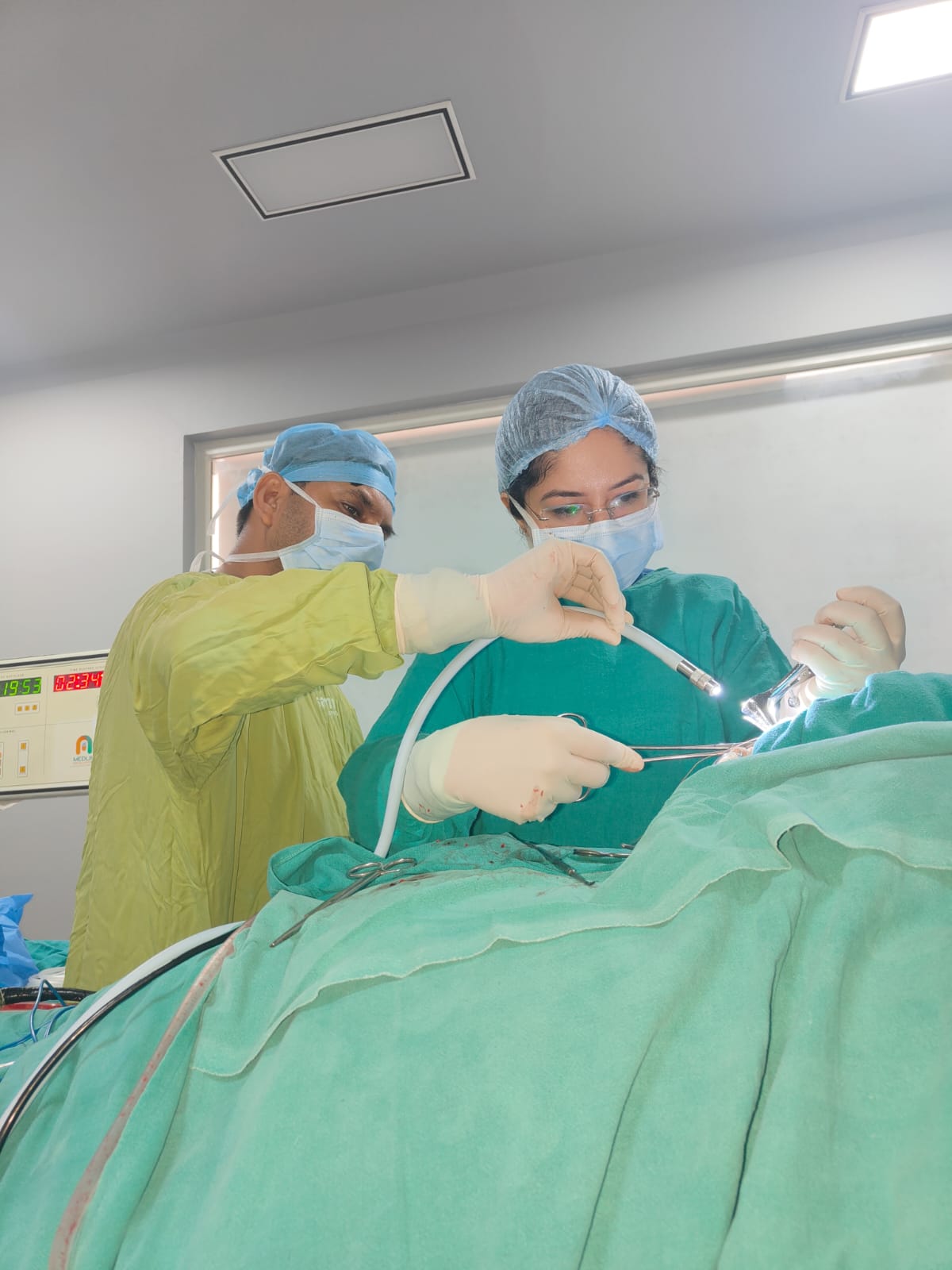
Functional endoscopic sinus surgery uses a slim endoscope passed through the nostril to view the sinus openings directly. Blocked drainage pathways are opened and diseased tissue such as polyps is removed, while healthy structures are preserved.
Surgery is considered only after appropriate medical treatment has been tried. Whether it is right for you depends on your symptoms, endoscopy findings and CT scan.
Conditions commonly assessed
- Chronic sinusitis not settling with medicines
- Nasal polyps
- Recurrent sinus infections
- Blocked sinus drainage on CT
- Fungal sinus disease in selected cases
- Persistent loss of smell from nasal blockage
Why Endoscopic
Potential advantages in suitable cases
No external incision
The entire procedure is carried out through the nostrils using an endoscope.
Targeted approach
Only the blocked drainage pathways and diseased tissue are addressed.
Better medicine delivery
Once sinuses drain freely, sprays and rinses reach the areas that need them.
Structured aftercare
Planned reviews with nasal cleaning to support healing.
Outcomes vary between individuals. Nothing on this page should be taken as a guarantee of a particular result.
Patient Journey
From first visit to follow-up
- 1
Consultation
Detailed history, nasal examination and diagnostic nasal endoscopy.
- 2
Investigations
CT scan of the sinuses and allergy assessment where indicated.
- 3
Medical trial
Optimised medical treatment first — surgery is not the automatic first step.
- 4
Surgery
Endoscopic clearance of blocked drainage pathways under appropriate anaesthesia.
- 5
Follow-up
Saline rinses, review endoscopy and long-term maintenance plan.
FAQs
Common questions
What is endoscopic sinus surgery?
It is surgery performed entirely through the nostrils using a nasal endoscope, to open blocked sinus drainage pathways and remove disease such as polyps. There are no external cuts on the face.
When is it recommended?
Usually when chronic sinus symptoms or nasal polyps persist despite an adequate trial of medical treatment, and endoscopy or a CT scan confirms blocked sinus drainage.
Will my sense of smell return?
Smell can improve when blockage or polyps are the main cause, but this varies between individuals and cannot be guaranteed. Expectations are discussed before surgery.
How long is the recovery?
Most patients need a short period of rest, saline rinses and follow-up nasal cleaning. Your exact recovery plan depends on the extent of the surgery performed.
Do I still need medicines afterwards?
In many cases yes — surgery improves ventilation and drainage so that nasal sprays and allergy treatment can work more effectively.
Discuss whether sinus surgery is right for you
Book a consultation with Dr. Aashima Chopra, or send a message on WhatsApp and the clinic will get back to you.