
Otomycosis (Swimmer’s Ear) in Delhi – Causes, Symptoms, and Treatment for Effective Relief

Home » Otomycosis (Swimmer’s Ear) in Delhi – Causes, Symptoms, and Treatment for Effective Relief

Are you experiencing itching, pain, or discomfort in your ear, particularly after swimming or exposure to moisture? These could be signs of Otomycosis, commonly known as Swimmer’s Ear. This fungal infection of the outer ear canal is a common condition, especially in humid climates or among swimmers. At my ENT clinic in Delhi, we offer effective treatment for Otomycosis, helping you get back to enjoying life without ear pain or discomfort.

What is Otomycosis (Swimmer’s Ear)?


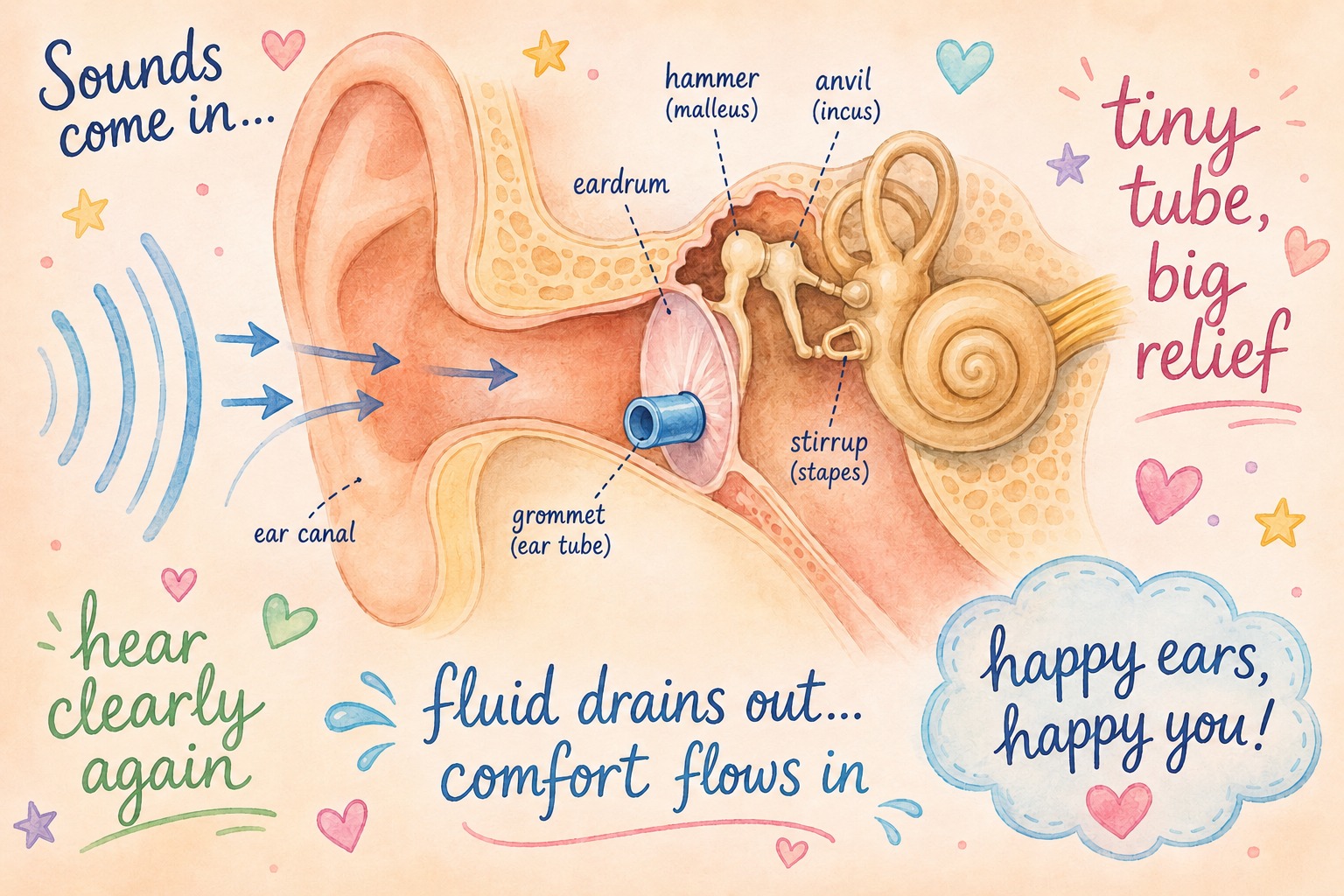
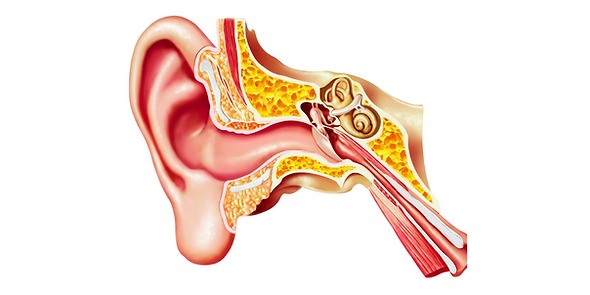
Otomycosis is a fungal infection that affects the outer ear canal, often caused by prolonged exposure to moisture, which creates the ideal environment for fungi to thrive. While it’s commonly referred to as Swimmer’s Ear, it can also occur from other activities, such as bathing, showering, or excessive ear cleaning.

Fungal organisms like Aspergillus or Candida are the main culprits behind this condition. The infection leads to inflammation and irritation of the ear canal, resulting in a variety of symptoms.


Symptoms of Otomycosis


The symptoms of Otomycosis can vary but typically include:

  • Itching or discomfort inside the ear

  • Redness or inflammation of the ear canal

  • Ear pain or a sensation of fullness in the ear

  • Drainage from the ear (may be thick and yellowish or clear)

  • Reduced hearing or muffled sounds due to the buildup of debris

  • Swelling of the ear canal or surrounding area

If left untreated, the infection can cause prolonged discomfort and may even lead to complications, especially if the fungus spreads to other parts of the ear or surrounding tissues.


Causes and Risk Factors of Otomycosis


Certain factors can increase the likelihood of developing Otomycosis:

  • Excess moisture: Swimmers or those who frequently immerse their heads in water are more prone to developing the condition.

  • Trauma to the ear canal: Using cotton swabs or other objects to clean the ear can scratch or irritate the ear canal, making it easier for fungi to invade.

  • Existing ear conditions: People with eczema, dermatitis, or other skin conditions around the ear are more susceptible.

  • Warm, humid environments: Living in or visiting areas with high humidity can encourage fungal growth.

  • Weak immune system: People with compromised immune systems are at higher risk of fungal infections.


Diagnosis of Otomycosis


If you suspect you have Swimmer’s Ear or Otomycosis, it’s important to seek medical attention promptly. An ENT specialist will:

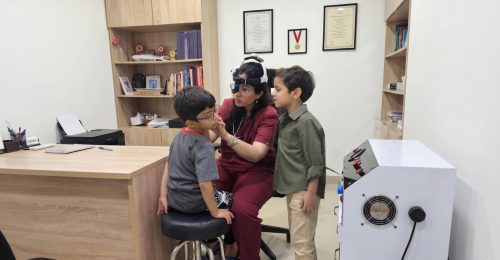
  • Perform a visual examination of your ear using an otoscope to look for signs of infection and fungus.

  • Take a sample of the discharge from the ear canal for laboratory testing to confirm the type of fungus causing the infection.


Treatment Options for Otomycosis

The treatment for Otomycosis depends on the severity and type of fungal infection. Common treatment options include:

Antifungal ear drops – These are used to treat the infection and reduce inflammation and itching in the ear canal. Ear cleaning – A healthcare provider may clean out the ear canal to remove debris, discharge, or fungal growth and promote healing. Oral antifungal medication – In severe cases, oral medication may be prescribed to treat the infection more comprehensively. Pain relief – Over-the-counter pain medications or ear drops may be used to reduce discomfort during the healing process.


Preventing Otomycosis (Swimmer’s Ear)


While Otomycosis is treatable, preventing it is even better. Here are some tips to protect your ears and reduce the risk of infection:

  • Dry your ears thoroughly after swimming or bathing. You can gently dry your ear with a towel or use ear-drying drops.

  • Avoid inserting objects like cotton swabs or fingers into your ears to prevent injury and irritation.

  • Use earplugs or a swimming cap to keep water out of your ears while swimming.

  • Keep your ears clean and dry, and avoid excess moisture or dampness in the ear canal.


When to See an ENT Specialist in Delhi


If you experience any of the symptoms of Otomycosis, especially persistent ear pain, drainage, or itching that doesn’t improve, it’s important to see an ENT specialist for a diagnosis and appropriate treatment.

At my clinic in Delhi, we offer comprehensive care for Otomycosis, providing effective treatment and prevention strategies to help you avoid future ear infections.


How to Prevent Swimming Ear Infections in Children – Tips for Healthy Ears


As summer approaches, many children love to dive into the pool, spend time at the beach, or splash around in the water. However, these fun activities can sometimes lead to swimmer’s ear, also known as otitis externa, an ear infection that occurs when water gets trapped in the ear canal. If you’re a parent in Delhi concerned about your child’s ear health, this blog post provides expert tips on how to prevent swimming ear infections and ensure your child’s ears stay safe and healthy.


What is Swimmer’s Ear?


Swimmer’s ear is a common condition caused by moisture or bacteria in the ear canal. When water becomes trapped inside the ear, it creates an ideal environment for bacteria or fungi to grow, leading to an infection. Children are more prone to this type of ear infection because their ear canals are narrower, and they tend to spend more time in the water.

Symptoms of swimmer’s ear in children include:

  • Itching inside the ear

  • Ear pain or tenderness

  • Redness inside the ear canal

  • Fluid drainage from the ear

  • Difficulty hearing or a sense of fullness in the ear


If you notice any of these signs, it’s important to seek treatment promptly from an ENT specialist to avoid further complications.

Related Blogs

ChatGPT Image Apr 16, 2026, 04_10_30 PM

Septoplasty & FESS Surgery: Symptoms, When It’s Needed, and What to Expect


Breathing through your nose should feel effortless. But if you’re constantly dealing with blockage, sinus pressure, or difficulty sleeping because of poor airflow, it might not just be a temporary issue.
Conditions like a deviated septum or chronic sinus blockage can affect your daily comfort more than you realize. Procedures like Septoplasty and FESS (Functional Endoscopic Sinus Surgery) are designed to correct these problems and help you breathe better.
Let’s understand this in a simple and practical way.


What Is Septoplasty & FESS?


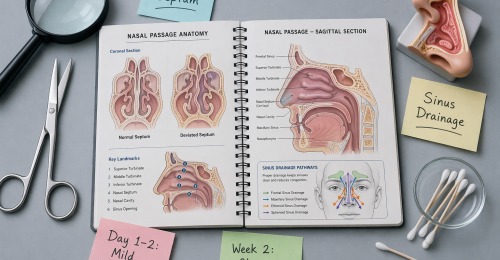
Septoplasty is a procedure that corrects a deviated nasal septum — the thin wall inside your nose that separates both sides. When this wall is not straight, it can block airflow and make breathing difficult.

FESS (Functional Endoscopic Sinus Surgery) is used to open blocked sinuses and restore proper drainage using a small camera (endoscope).

In many patients, both problems exist together. That’s why these procedures are often done together for better, long-term results.


Common Symptoms You Should Not Ignore


Many people get used to these symptoms and think they’re normal — but they’re not.

  • Constant or one-sided nasal blockage
  • Difficulty breathing through the nose, especially at night
  • Frequent sinus infections that keep returning
  • Headaches or pressure around the eyes and forehead
  • Snoring or disturbed sleep
  • Mouth breathing (especially during sleep)
  • Reduced sense of smell
  • Occasional nosebleeds

Not sure if these symptoms apply to you?

Consult an ENT Specialist


Why Do These Problems Happen?

Deviated Septum


The septum may be off-center from birth or due to injury. When it shifts significantly, it can block airflow and make one nostril feel constantly congested.

Sinus Blockage


Your sinuses need to drain properly. But due to:

  • Allergies
  • Infection
  • Inflammation
  • Nasal polyps


…the drainage pathways get blocked, leading to pressure, discomfort, and repeated infections.

When both conditions exist together, symptoms tend to become more persistent.


When Is Surgery Recommended?


Not every case needs surgery. Doctors usually start with medications. But if symptoms continue, surgery may be the next step.

  • Breathing difficulty affects your daily life
  • Symptoms don’t improve with medications
  • You have recurrent sinus infections
  • There is clear structural blockage
  • Frequent nosebleeds or sleep disturbance


How Is the Procedure Done?

Septoplasty
  • Done entirely from inside the nose
  • The surgeon reshapes or repositions the septum
  • Improves airflow without changing outer appearance
FESS
  • A thin camera is used to access sinuses
  • Blockages are cleared precisely
  • Restores natural sinus drainage
Modern Approach (Scarless)
  • No external cuts
  • Minimal bleeding
  • Faster recovery


Recovery: What You Can Expect

First Few Days
  • Mild congestion or blocked feeling
  • Slight discomfort (pressure more than pain)
1–2 Weeks
  • Breathing improves gradually
  • Return to normal routine
Full Healing
  • Takes a few weeks to a couple of months internally
Important Aftercare Tips
  • Avoid forceful nose blowing
  • Keep your head elevated while resting
  • Use saline sprays as advised
  • Avoid dust and smoke
  • Attend follow-up visits


Risks and Safety


Septoplasty and FESS are generally safe, but like any surgery, some risks exist:

  • Bleeding
  • Infection
  • Temporary swelling
  • Rare persistence of symptoms


Frequently Asked Questions

Is the surgery painful?

No, it is done under anesthesia. Post-surgery discomfort is mild and manageable.

When will breathing improve?

Improvement starts within 2–3 weeks as swelling reduces.

Will nose shape change?

No, septoplasty focuses on breathing, not appearance.

Are results permanent?

Yes, though sinus care may still be needed.


Ready to breathe better?

Get expert evaluation and treatment guidance from an ENT specialist.
Consult Dr Aashima

WhatsApp Image 2026-04-06 at 3.49.07 PM

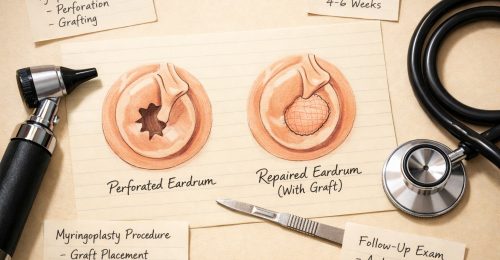
Understanding Eardrum Perforation: Symptoms, When Surgery is Needed, and Recovery

A perforated eardrum a hole or tear in the thin membrane separating your outer and middle ear is more common than many people realise. The good news: most perforations heal on their own, and when they don’t, effective treatments are available.


Consult Dr AashimaLearn More About Treatments


Disclaimer: This article is for general informational purposes only and does not constitute medical advice. Recovery timelines mentioned are typical estimates individual results vary. Always seek guidance from a qualified healthcare professional.


1.  Symptoms and how they present

Symptoms depend on the cause, size, and location of the perforation. Some people notice a dramatic onset (such as after a loud blast or ear infection), while others discover the condition gradually.

Sudden hearing loss
  • Muffled or reduced hearing in the affected ear, ranging from mild to
Ear discharge
  • Clear, bloody, or pus-like fluid draining from the ear
Ear pain or sudden relief
  • Sharp pain during the perforation itself, which may ease as pressure
Tinnitus
  • Ringing, buzzing, or hissing sounds in the affected
Vertigo or dizziness
  • A spinning sensation, especially if the inner ear is involved
Sensitivity to wind
  • Unusual discomfort when air enters the ear canal due to the
Common causes
  • Ear infections (otitis media) – the most frequent cause; pressure from fluid buildup can rupture the membrane
  • Barotrauma – rapid pressure changes from flying, diving, or explosions
  • Trauma – inserting objects in the ear (e.g. cotton swabs), a slap to the ear, or head injury
  • Loud noise (acoustic trauma) – very close or sustained exposure to high-decibel sounds
  • Chronic Eustachian tube dysfunction – persistent pressure imbalance weakening the membrane over time

Not sure if your symptoms match a perforation? A specialist can confirm with a simple ear exam.

Schedule a Consultation


2. When surgery is needed

The majority of small perforations particularly those caused by infection or minor trauma heal spontaneously within 4 to 8 weeks without any intervention. However, surgery becomes the appropriate path when:

  • The perforation has not healed after 3 months of observation
  • The hole is large (typically greater than 30–40% of the eardrum surface)
  • There is significant, persistent hearing loss not improving over time
  • The patient experiences recurrent ear infections due to water entering the middle ear
  • Damage extends to the ossicles (the small bones of hearing)
  • There is concern about cholesteatoma an abnormal skin growth that can develop in the middle ear

Your ENT surgeon will assess perforation size (often using an otoscope or microscope), hearing test results (audiogram), and overall middle ear health before recommending surgery.


3.  Surgical techniques

Endoscopic (scarless) approach – what to know

Endoscopic ear surgery has grown significantly in adoption over the past decade. By working entirely through the natural ear canal opening, it avoids the traditional post- auricular (behind-the-ear) incision, which means no visible scar and typically less postoperative discomfort.

However, there are limitations to be aware of:

  • Not all anatomies are suitable a narrow ear canal may prevent adequate endoscope passage
  • Graft placement can be more technically demanding in certain perforation locations
  • Requires a surgeon with specific endoscopic training and equipment
  • Complex cases involving the mastoid still require open (microscopic) surgery

Important: The “best” technique depends on your individual anatomy, perforation characteristics, and surgeon expertise not one approach suits all patients. Discuss options thoroughly with your ENT.


Wondering if endoscopic surgery is right for you?

Learn More About Treatments


4. Recovery time and aftercare

Recovery varies depending on whether the perforation healed naturally or required surgery. The timelines below are typical estimates individual experiences differ.

Weeks 1 – 2 (post-surgery)
  • Rest is essential. Avoid nose blowing, sneezing with the mouth closed, or any activity that increases ear pressure. Ear packing (if placed) remains in situ.
Weeks 2 – 4
  • Follow-up appointment to remove packing and assess early graft healing. Mild discomfort and muffled hearing are normal at this stage.
Months 1 – 3
  • Hearing typically begins to improve as the graft integrates. Audiogram testing is often performed around 6–8 weeks to monitor progress.
3 – 6 months
  • Most patients reach near-final hearing outcomes by this point. Surgical success rates for tympanoplasty are generally reported at 85–95%, though outcomes depend on perforation size and prior ear history.
Ongoing
  • Protect ears from water until fully cleared by your surgeon. Earplugs are often recommended for swimming even after healing.
Key aftercare instructions
  • Keep the ear dry at all times until your surgeon confirms full healing use custom earplugs or a cotton ball with petroleum jelly when showering
  • Avoid flying if possible, for 4 – 6 weeks post-surgery (discuss with your surgeon)
  • Do not insert anything into the ear canal, including cotton swabs
  • Take prescribed antibiotics or ear drops as directed
  • Attend all follow-up appointments graft failure is often detectable early and manageable if caught promptly
  • Sneeze with your mouth open to equalise pressure naturally


5.  Frequently asked questions

Can a perforated eardrum heal without treatment?
  • Yes, many small perforations (especially those caused by infection) close on their own within 4 to 8 weeks. Your doctor will monitor healing during this period. If no improvement is seen after approximately 3 months, further investigation or surgery is typically recommended.
Is eardrum surgery painful?
  • The procedure is performed under general or local anaesthesia, so you will not feel pain during surgery. Postoperative discomfort is generally mild to moderate and is well managed with standard pain relief. Most patients return to light daily activities within a week.
Will my hearing fully return after surgery?
  • In most cases, yes, particularly when the ossicles (hearing bones) are intact and the repair is successful. Hearing usually improves progressively over 2–3 months. In some cases, mild residual hearing loss may persist, and a follow-up audiogram helps assess long-term outcomes.
When can I swim or fly after a perforation?
  • Swimming is generally restricted until your surgeon confirms the eardrum is fully healed this can range from 6 weeks to 3+ months depending on treatment. Flying is usually possible after a few weeks for natural healing cases, but after surgery your surgeon may advise waiting 4 – 6 weeks or longer. Always confirm with your care team before travelling.


Ready to take the next step?

An ENT specialist can confirm your diagnosis, discuss your treatment options, and guide you through the recovery process.

Consult Dr Aashima

Learn More About Treatments

910504_6ff02c80ad354e98841cd04d5

Endoscopic Minimally Invasive Tympanoplasty in Delhi – A Modern Solution for Eardrum Repair

If you’ve been struggling with hearing loss, ear infections, or a perforated eardrum, Endoscopic Minimally Invasive Tympanoplasty may be the advanced solution you’re looking for. As an experienced ENT surgeon practicing in Delhi for over 10 years, I specialize in this cutting-edge, patient-friendly technique that offers excellent results with minimal discomfort and quicker recovery.

What is Endoscopic Tympanoplasty?


Endoscopic tympanoplasty is a modern surgical procedure used to repair a perforated eardrum (tympanic membrane) using a high-resolution endoscope. Unlike traditional microscopic surgery, this approach does not require large incisions or postauricular cuts. Instead, the entire procedure is done through the ear canal, making it truly minimally invasive.


Key Benefits of Endoscopic Tympanoplasty

 
  • No external incisions – No visible scars, as the surgery is done entirely through the ear canal.

  • Faster recovery – Patients usually experience quicker healing and less post-operative pain.

  • Improved visualization – The endoscope provides a wide-angle, high-definition view of the middle ear for more precise surgery.

  • High success rate – Proven outcomes in restoring hearing and closing eardrum perforations.

  • Ideal for children and adults – Especially effective in younger patients where minimal trauma is preferred.


Who Needs This Procedure?


This surgery is recommended for patients with:

  • Chronic ear discharge (chronic suppurative otitis media)

  • Hearing loss due to eardrum perforation

  • History of ear infections not responding to medical treatment

  • Eardrum injuries caused by trauma or pressure changes


Why Choose an Endoscopic Approach?


Endoscopic tympanoplasty is revolutionizing how ENT surgeons treat middle ear conditions. By avoiding large cuts and improving surgical access, it offers a safer, faster, and more comfortable experience for patients. As someone trained and experienced in this advanced technique, I ensure personalized care tailored to each patient’s condition.


Looking for Endoscopic Tympanoplasty in Delhi?


If you’re seeking a trusted ENT surgeon in Delhi for endoscopic tympanoplasty, my clinic ENT care clinic offers state-of-the-art care with a focus on patient comfort and optimal outcomes. Book a consultation today to learn how this minimally invasive ear surgery can help restore your hearing and improve your quality of life.