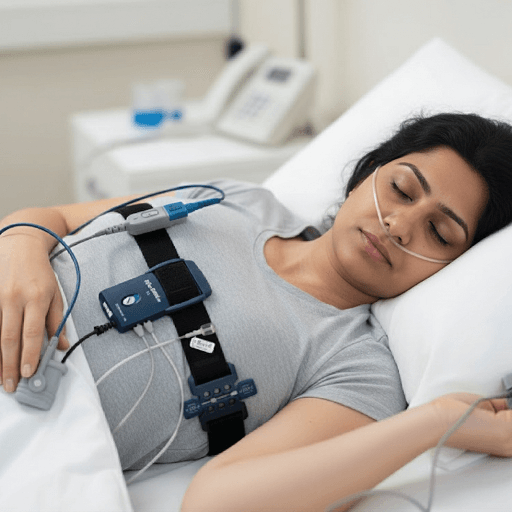
Sleep apnea screening is a crucial first step in identifying individuals who may be at risk for this potentially serious sleep disorder. The screening process typically involves a detailed assessment of common symptoms such as loud or chronic snoring, excessive daytime sleepiness, unexplained fatigue, observed pauses in breathing during sleep, gasping or choking at night, and morning headaches. In some individuals, poor concentration, irritability, and disturbed sleep patterns may also be early warning signs.
Healthcare providers often use validated screening tools such as the STOP-Bang Questionnaire and the Epworth Sleepiness Scale to evaluate the likelihood and severity of sleep apnea. These tools help determine whether further diagnostic testing, such as an overnight sleep study (polysomnography) or a home sleep test, is required.
Early screening plays a vital role in preventing the long-term health consequences of untreated sleep apnea, which can include high blood pressure, heart disease, stroke, diabetes, weight gain, and impaired cognitive and work performance. Timely identification allows for early intervention through lifestyle changes, medical therapy, or device-based treatments like CPAP, significantly improving sleep quality, overall health, and quality of life.